PVD Deposition Sources
Sources for Any Application
In Physical Vapor Deposition (PVD), different deposition sources (e.g., evaporation, sputtering, e-beam, etc.) are used because each source type offers distinct advantages and characteristics that make it suitable for specific materials, substrates, and application requirements.
Evaporation sources heat a material until it turns into vapour, which then condenses on the surface being coated.
The choice of source depends on how the material needs to be heated.
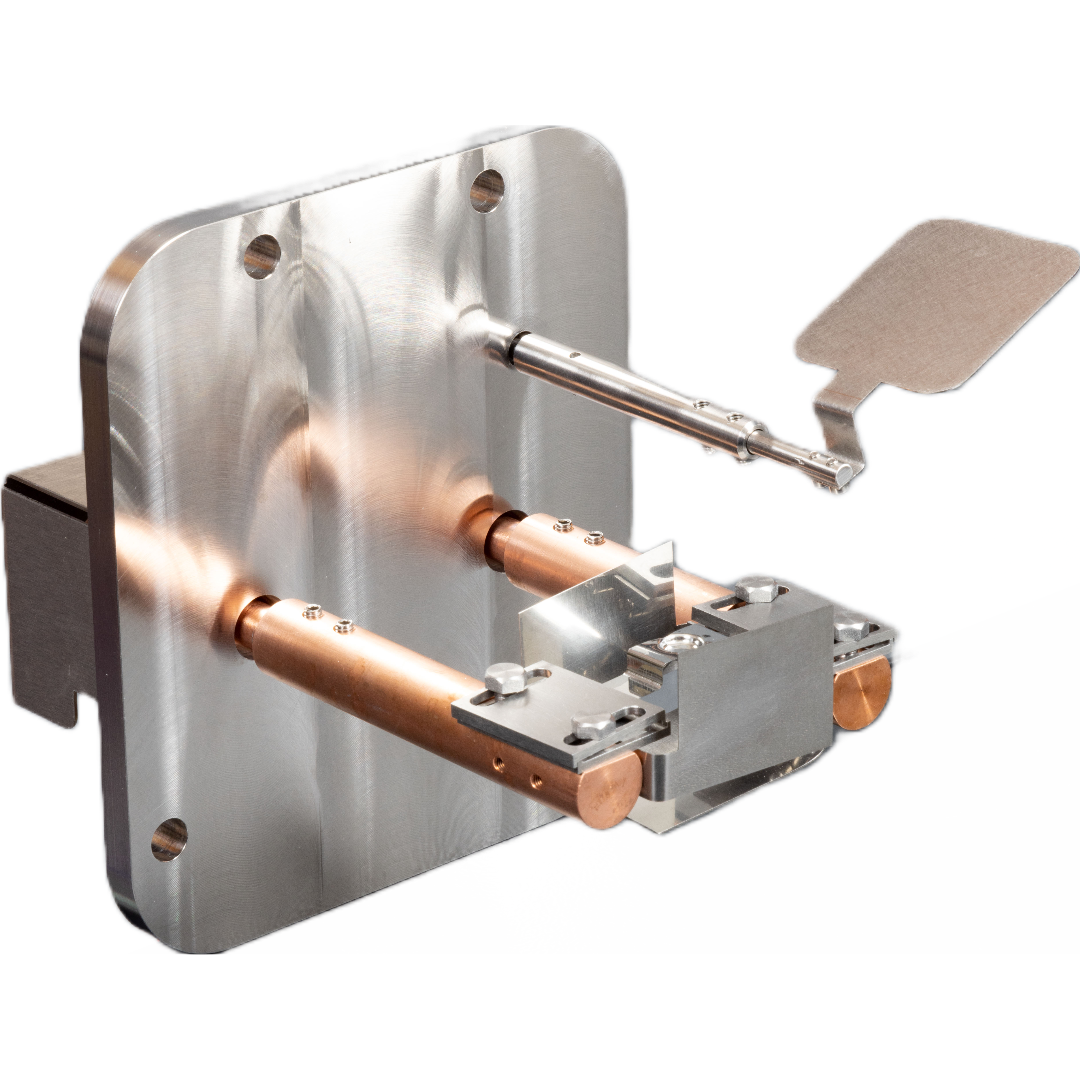
Resistive or thermal evaporation uses a heated filament, usually made of tungsten or molybdenum, to melt and evaporate the material. It is simple and cheap, and works well for metals that melt easily such as aluminum, gold, or silver. However, it cannot handle materials with high melting points and there is a risk of contamination from the filament.
Electron beam evaporation uses a focused beam of electrons to heat the material. This method can evaporate almost any material, including those with very high melting points like tungsten or aluminum oxide. It gives very clean and controllable results, but the equipment is more complex and expensive.
Sputtering sources work differently. Instead of melting the material, they use energetic ions (often from argon gas) to knock atoms off a solid target. These atoms then form a coating on the substrate. The type of sputtering source depends on the electrical properties of the target and the desired film characteristics.
DC sputtering uses a constant voltage and is suitable for conductive materials like metals. It’s simple and produces dense, well-adhered coatings, but it cannot be used for insulating materials because they build up charge.
RF sputtering uses alternating current at radio frequency to prevent charge buildup, so it can be used with insulating materials such as silicon dioxide or aluminum oxide. It gives good control over film composition but is slower and more complex.
Reactive sputtering introduces gases like oxygen or nitrogen into the process to form compounds such as oxides or nitrides directly on the substrate. This is used for coatings like titanium nitride or aluminum oxide, where film composition and properties need precise control.
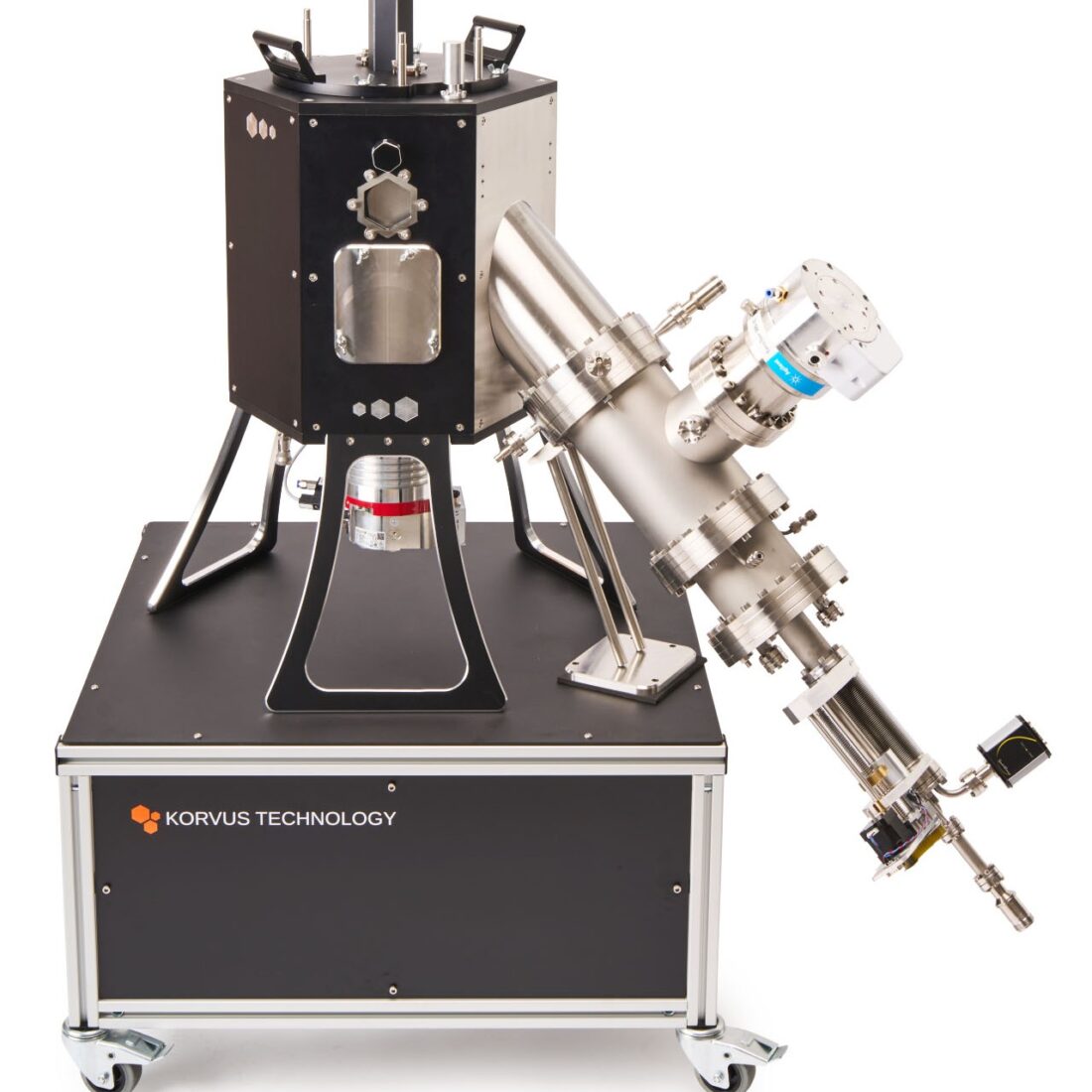
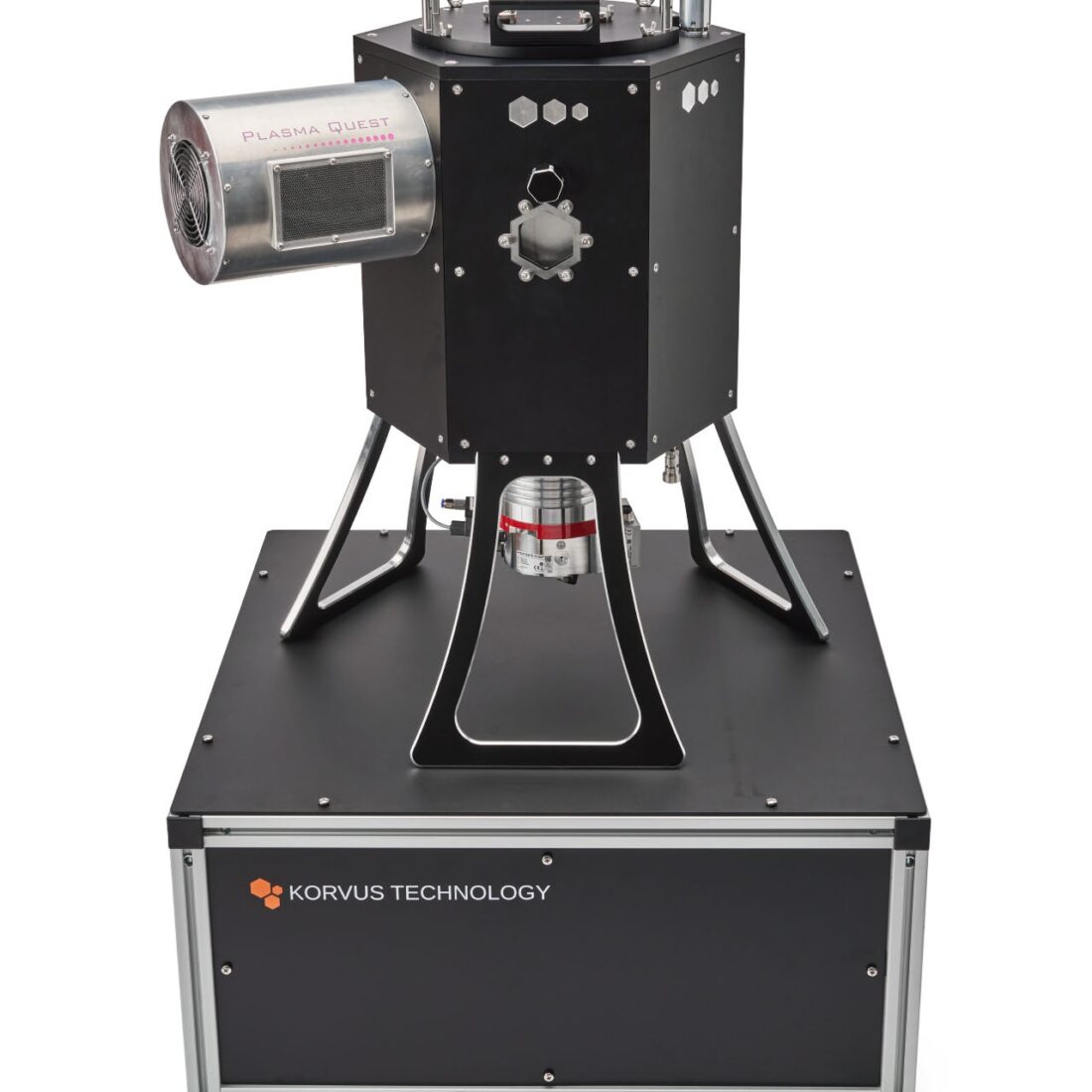
The HEX series of R&D PVD Systems support multiple deposition techniques including:
FISSION - Magnetron Sputter Source
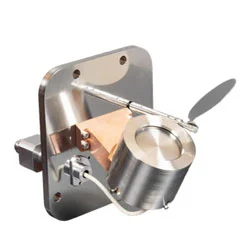
TES - Thermal Evaporation Source
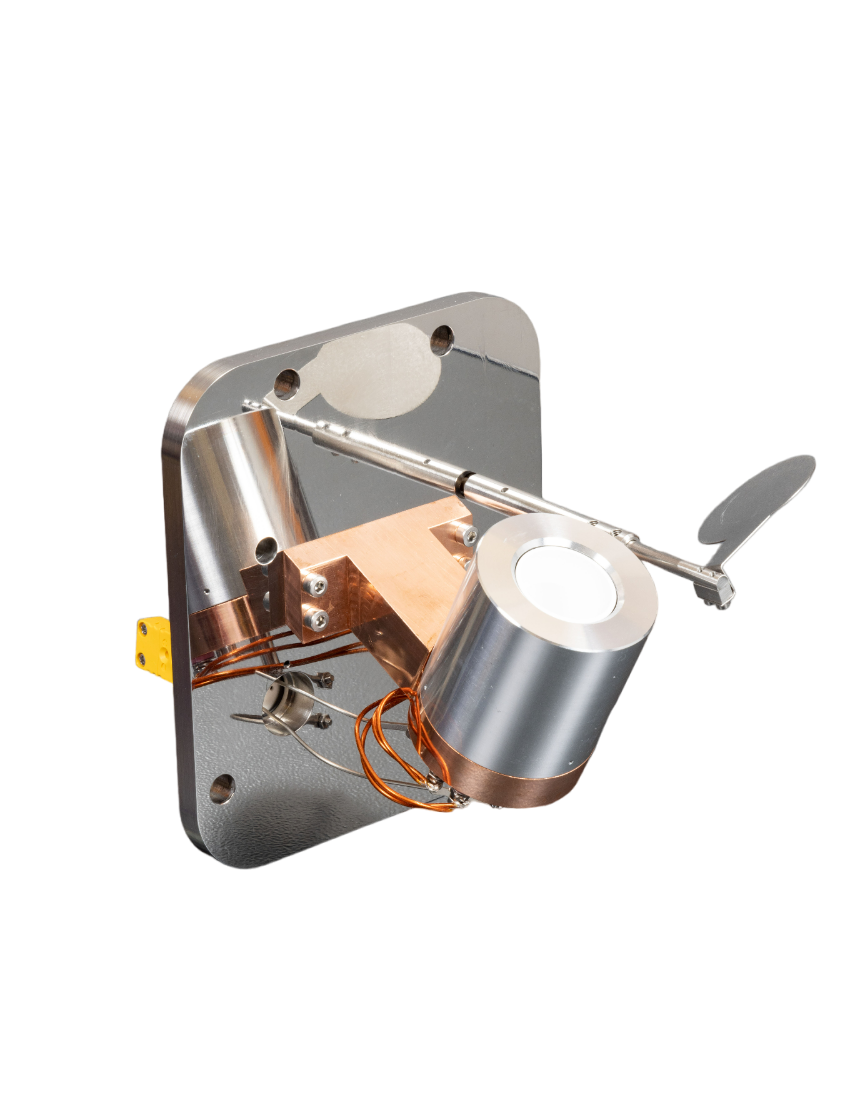
TAU - Mini E-Beam Source
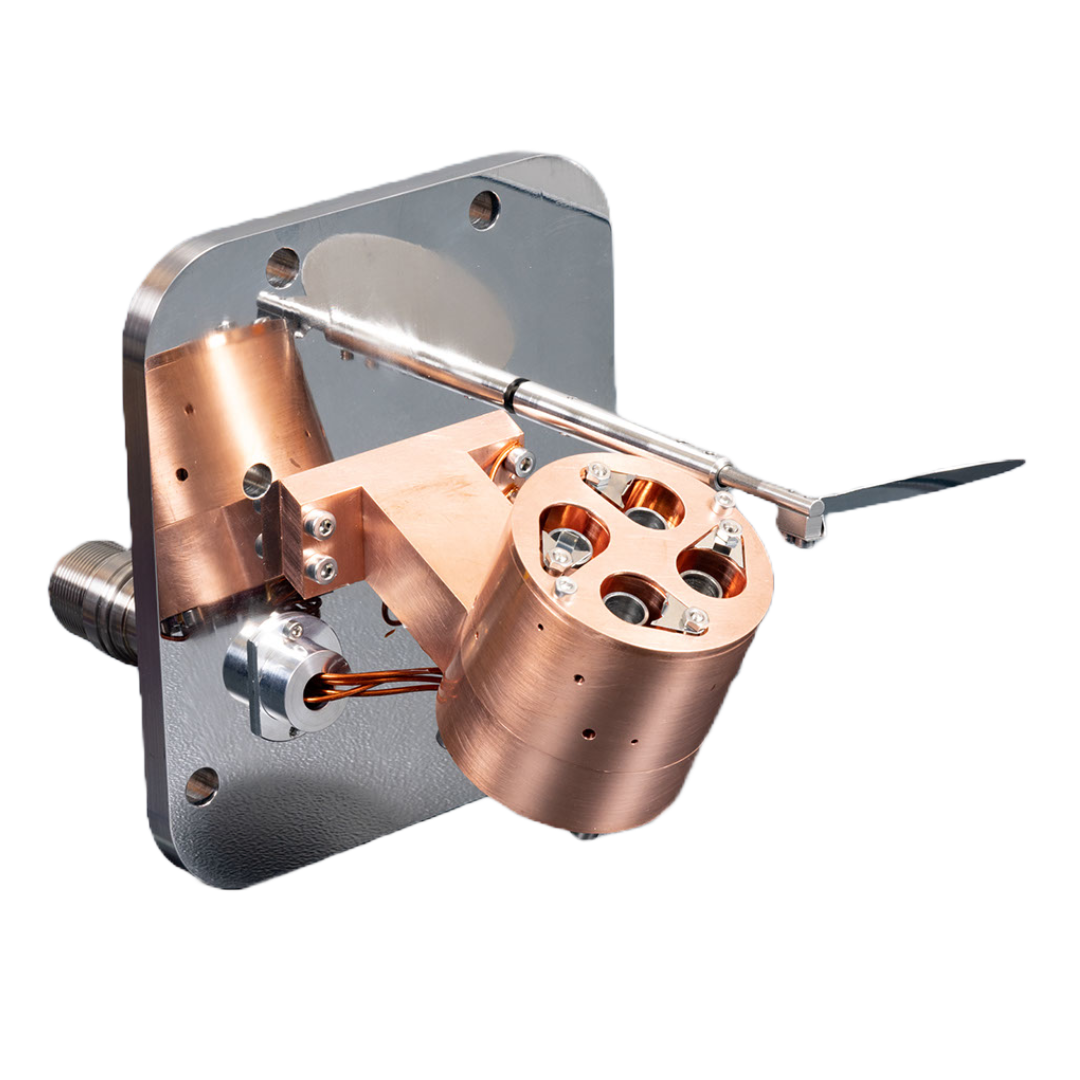
ORCA - Organic Thermal Evaporation Source
Nanoparticle Deposition Source
Remote Plasma Sputter Source
The HEX series is unique compared to its rivals when it comes to source integration:
Open-Frame Modular Architecture: Unlike conventional PVD chambers, the open-frame architecture allows researchers to add sources at a later date without a Korvus engineer visit.
Future-Proof Design: The ability to add deposition sources at a later date means that the system is truly future proof.
Ease to add 3rd Party Sources: The ability to remove a blank panel, take this to your machine ship and add any port, without disturbing the main system is a unique advantage of the the HEX series.